
Lutronic Ultra Thulium Laser (LaseMD Ultra) : Advanced Skin Rejuvenation in the San Diego Area
Dr. Melanie Palm is a board-certified dermatologist and nationally recognized laser expert who lectures at premier dermatology meetings including the American Society for Lasers in Medicine and Surgery (ASLMS), the American Academy of Dermatology (AAD), and the American Society for Dermatologic Surgery (ASDS). Dr. Palm’s experience with thulium laser technology dates back to 2012, making her one of the earliest adopters of this wavelength in the dermatology community and uniquely positioned to deliver safe, effective, and personalized thulium laser treatments. At Art of Skin MD, Dr. Palm and her team offers the Lutronic Ultra—also known as the LaseMD Ultra—a state-of-the-art 1927 nm thulium fractional laser that delivers remarkable skin rejuvenation with minimal downtime. Her offices are located in Solana Beach, CA, just north of San Diego.
What Is the Lutronic Ultra (LaseMD Ultra) Thulium Laser?
The Lutronic Ultra, marketed as the LaseMD Ultra, is a fractional non-ablative thulium laser operating at a 1927 nm wavelength—specifically tuned to target water in the skin and the chromophores responsible for pigmentation and sun damage. Unlike fully ablative lasers that remove the entire outer skin surface, the Lutronic Ultra delivers thousands of microscopic columns of laser energy into the skin, creating controlled micro-zones of heat energy skin stimulation while leaving surrounding tissue intact. This fractionated approach drives rapid healing, collagen remodeling, porous channels to deliver topical actives more effectively, and meaningful improvement in skin quality with very limited recovery time.
The device features Lutronic’s proprietary IntelliTrak™ magnetic roller tracking system and Controlled Chaos Technology™, which together ensure consistent, uniform energy delivery across the treatment area. A full-face treatment can be completed in as little as 6 to 8 minutes, making the Lutronic Ultra one of the most efficient fractional laser platforms available. With a maximum power of 20W and a precise 200 μm beam diameter, the laser is powerful yet highly controllable, and can be safely adjusted to suit a wide range of skin types, skin concerns, and treatment goals.
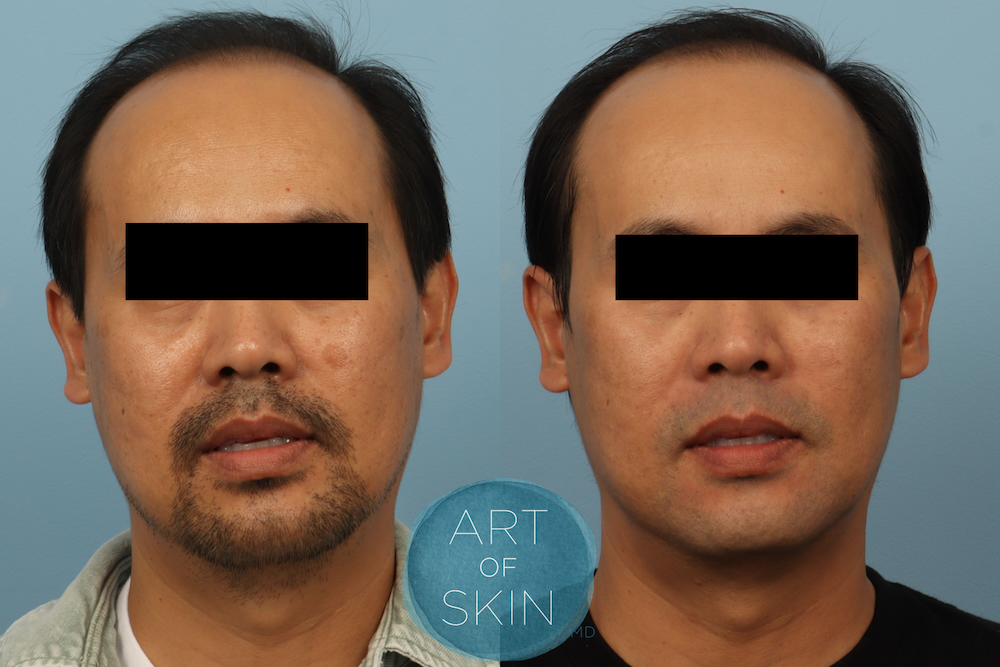
Combination treatment: Ultra Thulium, INVO-Brightening-Booster, Spectra
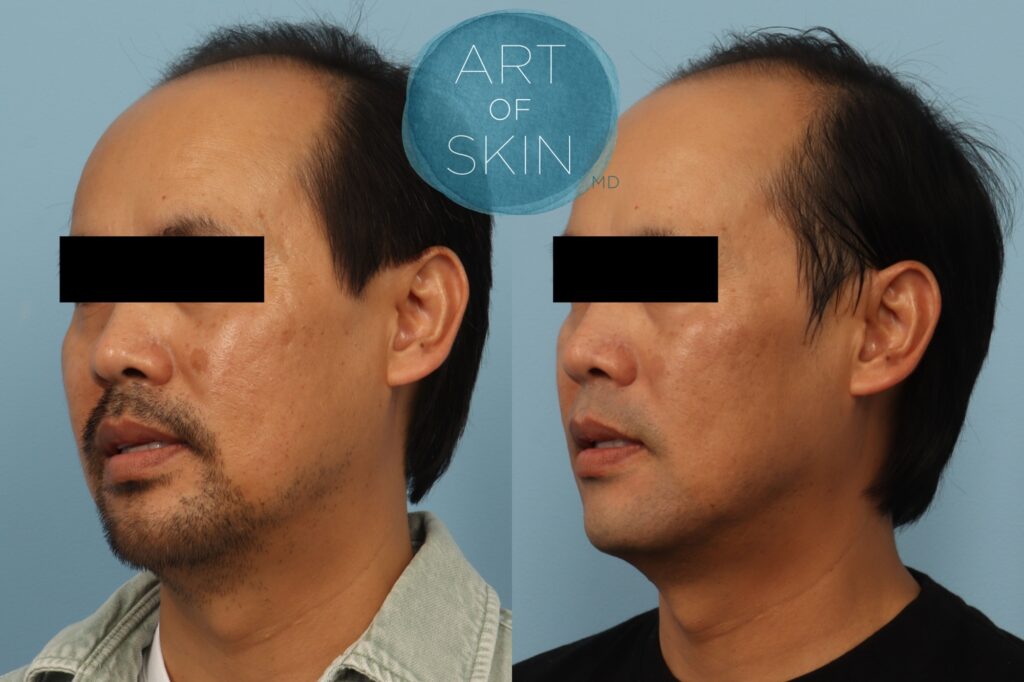
Combination treatment: Ultra Thulium, INVO-Brightening-Booster, Spectra
What Conditions Does the Lutronic Ultra Treat?
· Sun damage and photoaging – years of ultraviolet exposure create diffuse brown discoloration, uneven skin tone, and a dull, tired complexion. The Lutronic Ultra breaks up excess melanin and stimulates fresh collagen, restoring a brighter, radiant, and more even appearance.
· Brown spots and lentigines – solar lentigines (“sun spots”) and other benign pigmented lesions – like seborrheic keratoses – respond reliably to the 1927 nm Ultra wavelength, which preferentially targets melanin-rich cells.
· Melasma – this hormonally influenced form of brown discoloration is one of the most challenging pigmentation disorders to treat. The Lutronic Ultra’s gentle, fractionated approach reduces melanin in the skin while minimizing the risk of post-inflammatory hyperpigmentation—a particular concern in darker skin types. Dr. Palm frequently uses the Lutronic Ultra as a key component of her comprehensive melasma management program.
· Actinic keratoses (precancerous spots) – actinic keratoses are rough, scaly patches caused by chronic sun exposure that, if left untreated, may progress to squamous cell skin cancer. The Lutronic Ultra is FDA-cleared for the treatment of actinic keratoses, offering a field-treatment option that addresses both visible and subclinical lesions across a broad surface area simultaneously.
· Enlarged pores – the collagen stimulation triggered by the laser causes contraction and tightening around pore openings, leading to a visibly refined skin texture.
· Textural irregularities – rough or uneven skin surface texture is significantly smoothed as the body replaces thermally altered tissue with organized new collagen.
· Mild acne scarring – shallow atrophic acne scars respond well to fractionated thulium laser resurfacing, which promotes dermal remodeling and gradual scar softening.
· Collagen stimulation and skin laxity – by inducing a controlled wound-healing response, the Lutronic Ultra promotes new collagen and elastin synthesis, improving overall skin firmness and reducing the appearance of fine lines over time.
Who Is a Good Candidate for the Lutronic Ultra?
The Lutronic Ultra is suitable for a remarkably wide range of patients, including those with darker/richer skin tones who may not be ideal candidates for more aggressive laser platforms. Importantly, patients with deeply pigmented skin—including African American skin—can often be safely treated with the Lutronic Ultra when conservative treatment parameters are employed. The gentler, fractionated nature of the 1927 nm thulium wavelength, combined with Dr. Palm’s extensive experience with diverse skin types since 2012, allows for individualized treatment plans that prioritize both efficacy and safety for all skin tones. Ideal candidates include:
· Individuals with significant sun damage, freckling, or diffuse brown discoloration of the face, neck, chest, or other sun-exposed areas
· Patients with melasma or other forms of hyperpigmentation seeking a low-risk laser option
· Patients with actinic keratoses (precancerous spots) who want a field-treatment approach to address multiple lesions simultaneously
· Those with enlarged pores, rough skin texture, or mild acne scarring desiring a smoother, more refined complexion
· Individuals seeking visible skin rejuvenation but unable to tolerate significant downtime
· Patients who want to stimulate collagen production and improve early skin laxity without surgery
· Patients of all skin types (Fitzpatrick I–VI), including patients with deeply pigmented or African American skin, who may be treated safely using conservative, individualized treatment parameters under Dr. Palm’s supervision
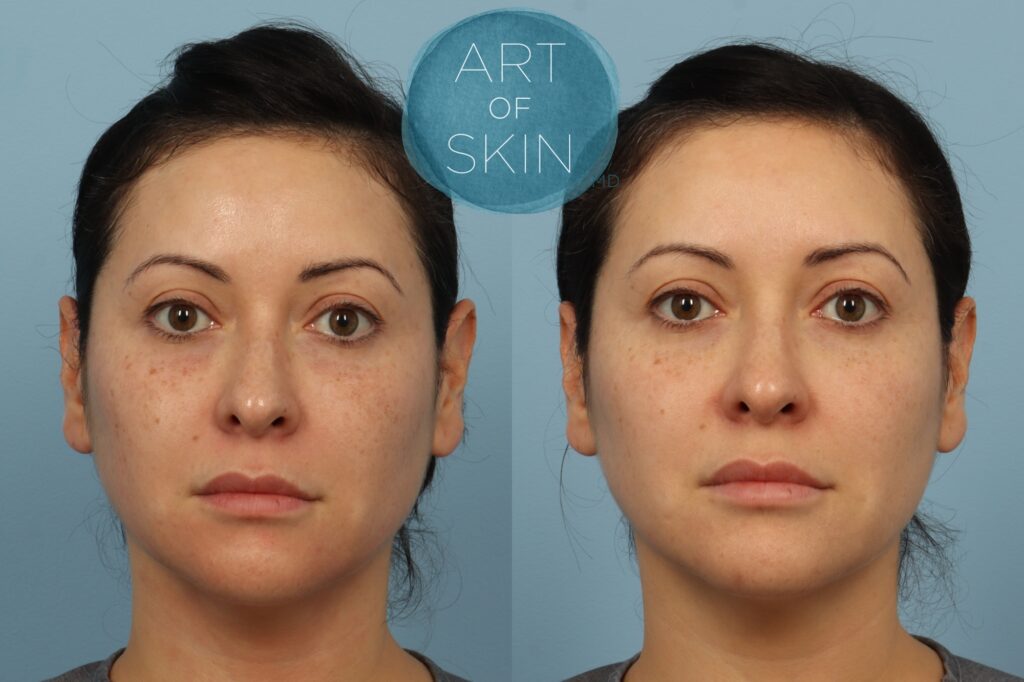
Thulium Ultra to Face
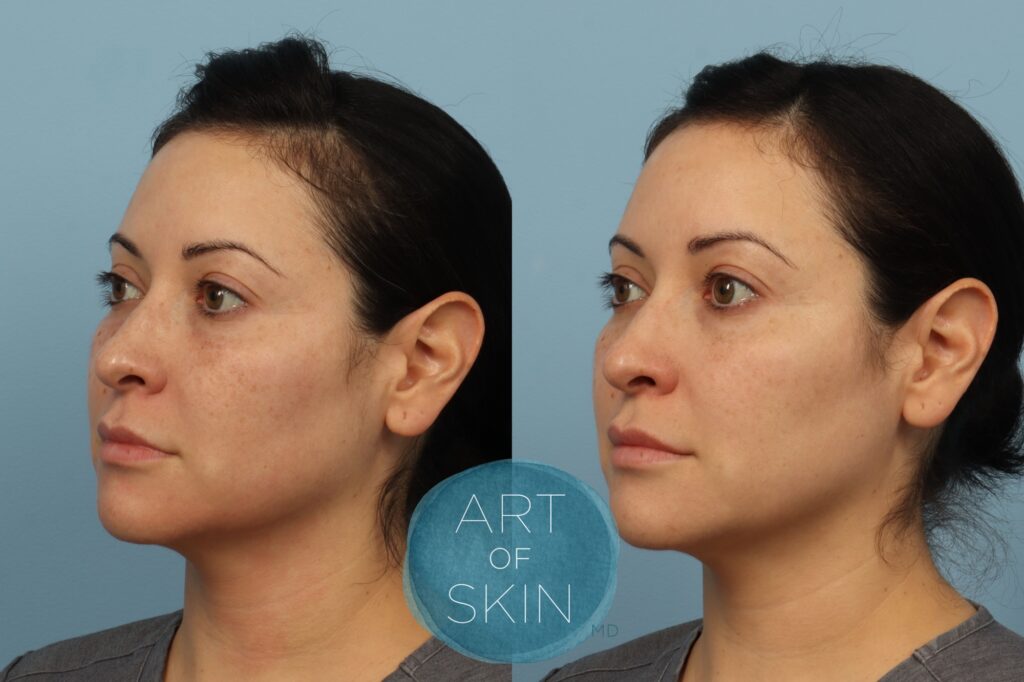
Thulium Ultra to Face
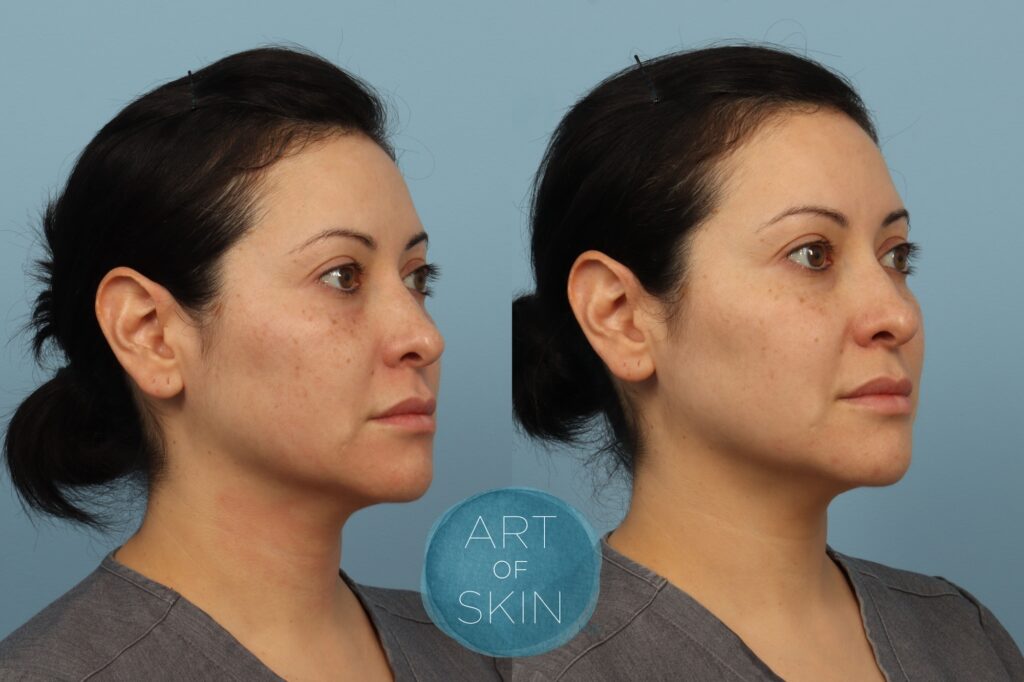
Thulium Ultra to Face
Contraindications to Lutronic Ultra Treatment
While the Lutronic Ultra has an excellent safety profile, it is not appropriate for every patient. Dr. Palm and her team perform a thorough evaluation prior to treatment to ensure both safety and optimal outcomes. Contraindications to thulium laser treatment include:
· Active skin infection, open wounds, or active cold sores (herpes simplex virus) in the treatment area—patients prone to cold sores will be pre-treated with antiviral medication
· Active inflammatory skin conditions such as eczema or psoriasis in the proposed treatment zone
· Recent use of isotretinoin (Accutane) within the past 6–12 months, depending on individual clinical judgment. Recent global laser consensus papers now report that nonablative lasers and lightly resurfacing lasers may be used without increased complications in patients on or have recently used isotretinoin.
· History of keloid or hypertrophic scarring
· Recent aggressive tanning or significant active tan in the treatment area, which may increase risk of pigmentary complications
· Pregnancy or nursing
· Use of photosensitizing medications or known photosensitivity
· Certain autoimmune conditions or use of immunosuppressive medications—Dr. Palm and her team will evaluate on a case-by-case basis
· Unrealistic expectations or inability to adhere to proper sun protection after treatment
How Many Lutronic Ultra Treatments Are Needed?
Best results with the Lutronic Ultra are achieved through a series of treatments rather than a single session, as the cumulative effects of repeated treatments drive progressively greater collagen remodeling, pigmentation clearance, and skin renewal. Most patients achieve excellent outcomes with a series of two to three treatments spaced approximately four to six weeks apart, though the optimal number of sessions may vary depending on the condition being treated and the individual patient’s response and goals.
For melasma, a more gradual treatment approach with careful interval monitoring is often preferred to reduce the risk of triggering post-inflammatory hyperpigmentation. For actinic keratoses, the series of treatments provides a field-treatment effect—clearing visible lesions as well as subclinical damage across the full surface of the treated area. After completing the initial series, Dr. Palm recommends periodic maintenance treatments, typically once to twice per year, to sustain results, continue stimulating collagen production, and stay ahead of ongoing photoaging. Each individual treatment session typically takes less than 15 to 20 minutes, including preparation time.
What Is Lutronic Ultra Treatment Like? Does It Hurt?
Treatment at Art of Skin MD with the Lutronic Ultra is straightforward, efficient, and comfortable. Prior to the procedure, a topical anesthetic cream is applied to the skin for approximately 1 hour to maximize comfort. The laser handpiece is then glided smoothly across the treatment area using the IntelliTrak™ roller system. Many patients feel virtually nothing at all during the treatment, while others describe a mild sensation of light sparklers on the skin—brief, superficial, and well-tolerated. The procedure is fast, with a full-face treatment completing in as little as 6 to 8 minutes, making it easy to fit into a busy schedule.
Downtime and Side Effects After Lutronic Ultra Treatment
One of the most appealing features of the Lutronic Ultra is its minimal recovery profile. Immediately following treatment, the skin will appear red and flushed, much like a mild to moderate sunburn. The skin may also feel warm to the touch during this initial phase, which typically lasts approximately two days. This is a completely expected and normal response as the skin begins its healing process.
Approximately two days after treatment, the skin may begin to feel rough, similar to the texture of fine sandpaper. This is a sign that the skin is actively shedding the thermally altered surface cells and generating fresh, renewed skin underneath. This sandpaper sensation is temporary and typically resolves over the course of several days. Unlike more aggressive ablative lasers, the Lutronic Ultra does not produce weeping or raw skin, and the overall recovery experience is manageable for the vast majority of patients.
At Art of Skin MD, patients are provided with a comprehensive skincare routine to support their skin through the healing process and accelerate recovery. Direct sunlight should be avoided throughout the treatment series and beyond. Beginning the day after treatment, patients may apply broad-spectrum sunscreen and resume their regular makeup routine, allowing them to return to work and normal social activities with confidence. Diligent sun protection is essential to achieving and maintaining the best possible results.
Significant side effects are uncommon when the procedure is performed by an experienced dermatology clinic such as Art of Skin MD. Rare complications can include transient post-inflammatory hyperpigmentation (temporary darkening of the skin), particularly in patients with darker skin types who tan easily. During your consultation, Dr. Palm and her team will review all potential risks and tailor the treatment protocol to your individual skin type and history.
Combination Therapies: Enhancing Results with the Lutronic Ultra
At Art of Skin MD, Dr. Palm is a firm believer that the best aesthetic outcomes are often achieved through bespoke, thoughtfully designed combination treatment plans. The Lutronic Ultra pairs exceptionally well with several other technologies and regenerative treatments available at the practice:
Lutronic Ultra + IPL (Intense Pulsed Light) — The “Photofractional” Approach
One of the most popular and effective combination treatments at Art of Skin MD pairs the Lutronic Ultra thulium laser with an IPL (Intense Pulsed Light) photofacial in the same session. This powerful pairing addresses photoaging from two complementary angles: the IPL targets red and brown discoloration at the surface of the skin—clearing sun spots, freckles, telangiectasias (broken blood vessels), and the diffuse redness of rosacea—while the Lutronic Ultra simultaneously penetrates deeper to remodel collagen, refine pore size, smooth textural irregularities, and address precancerous actinic keratoses. Together, these two treatments provide the most comprehensive correction of photodamage available in a single-session, low-downtime platform. Dr. Palm has extensive experience with this photofractional combination and has used it to achieve outstanding results for her patients with complex photoaging and pigmentation concerns.
Lutronic Ultra + ResurFX (Fractional Non-Ablative Laser) — Enhanced Textural Correction
For patients with more pronounced textural changes, deeper wrinkles, or more significant acne scarring, Dr. Palm may recommend combining the Lutronic Ultra with the ResurFX fractional laser, a 1565 nm non-ablative device that penetrates deeper into the dermis to drive more substantial collagen remodeling. While the Lutronic Ultra excels at refining pigmentation, pore size, and superficial texture, the ResurFX addresses deeper structural changes in the skin that contribute to wrinkles and scarring. Together, these two lasers deliver a more complete skin renewal experience, with manageable downtime compared to fully ablative laser resurfacing.
Lutronic Ultra + Regenerative Medicine: Topical Exosomes
Dr. Palm integrates the latest advances in regenerative medicine into her post-laser recovery protocols. Immediately following Lutronic Ultra treatment, she frequently applies topical exosomes by Invo Aesthetics—nano-sized extracellular vesicles derived from stem cells that are packed with growth factors, peptides, and signaling molecules. When applied to freshly lasered skin, exosomes take advantage of the temporary microchannels created by the fractional laser to penetrate deeply and accelerate the skin’s natural healing cascade. Clinical experience suggests that the combination of laser treatment with topical exosomes may enhance collagen stimulation, reduce post-procedure inflammation and redness, shorten overall downtime, and amplify the regenerative benefits of treatment. Dr. Palm views this regenerative medicine approach as a meaningful enhancement to the already impressive outcomes achievable with the Lutronic Ultra, and she is proud to offer this cutting-edge combination to her patients.
What Areas of the Face and Body Are Treated with the Lutronic Ultra?
The face is the most common treatment area, particularly the full face, forehead, cheeks, nose, and perioral region. However, the Lutronic Ultra is an excellent option for treating photoaging and sun damage on many areas of the body, including:
· Neck and décolletage (chest) – frequently treated along with the face to deliver uniform rejuvenation across all visible sun-exposed areas
· Hands and forearms – particularly effective for sun spots and lentigines on the dorsal hands
· Arms and shoulders – areas with significant cumulative sun damage
· Back – including treatment of diffuse actinic damage across the upper back
If you are interested in the Lutronic Ultra Thulium laser for sun damage, melasma, actinic keratoses, textural refinement, or overall skin rejuvenation in the San Diego area, contact Art of Skin MD to schedule a consultation with Dr. Melanie Palm. Call us at 858.792.SKIN (7546) or visit us at our Solana Beach location, just north of San Diego.